Quick answer
I Cold Plunged Every Day for 30 Days: Here's What Actually Happened
After 30 consecutive days of cold plunging at 50°F for 3-5 minutes each morning, my resting heart rate dropped by 8 BPM, recovery time between training sessions improved by 30%, and I stopped hitting snooze. Those are the measurable results—but the real story is in what happened week by week, and why I’m still doing it 6 months later. I’ve coached athletes for 12 years, and I’ve been incorporating cold exposure…
Practical takeaway
Before I break down the results, here’s exactly what I did. If you’re going to try this, consistency in protocol matters for measuring real changes.
I Cold Plunged Every Day for 30 Days: Here’s What Actually Happened
After 30 consecutive days of cold plunging at 50°F for 3-5 minutes each morning, my resting heart rate dropped by 8 BPM, recovery time between training sessions improved by 30%, and I stopped hitting snooze. Those are the measurable results—but the real story is in what happened week by week, and why I’m still doing it 6 months later.
I’ve coached athletes for 12 years, and I’ve been incorporating cold exposure protocols for the last 4. But I’d never committed to a full 30-day personal experiment with strict tracking. This is what I learned from going all-in.
The Protocol I Followed
Before I break down the results, here’s exactly what I did. If you’re going to try this, consistency in protocol matters for measuring real changes.
I used a cold plunge tub set at 50°F (10°C)—cold enough to trigger the physiological response without being dangerously low. Every morning at 6:15 AM, before coffee, before training clients, I’d submerge for 3 minutes minimum, up to 5 minutes on days when I felt adapted.
- Temperature: 50°F (10°C) — verified daily with a waterproof thermometer
- Duration: 3-5 minutes, full-body immersion up to the neck
- Timing: Within 15 minutes of waking, every single day at 6:15 AM
- Breathing: Controlled nasal breathing, no hyperventilation
- Warm-up: None. Room temp clothing afterward, no hot shower for at least 30 minutes
I tracked resting heart rate with a HRV monitor, subjective energy levels (1-10 scale), sleep quality via Oura ring, and training performance metrics from my workouts.
Week 1: The Shock Phase
Days 1-7 were brutal. My body fought me every single morning. The gasp reflex on entry was involuntary—no amount of mental prep stopped it. Heart rate would spike to 120+ BPM in the first 30 seconds, then gradually settle as I controlled my breathing.
The cold felt like needles on my skin. My fingers and toes went numb within 90 seconds. I’d emerge shaky, teeth chattering, taking 20-30 minutes to feel “normal” again. Mental focus post-plunge was high, but physically I felt drained for the first hour.
Key observation: The hardest part wasn’t the cold—it was overriding the voice in my head screaming to get out. Every. Single. Second.
Week 2: Adaptation Begins
Days 8-14 marked a turning point. The initial gasp reflex softened. I could control my breathing within 10-15 seconds instead of a full minute. Water temperature felt less aggressive—not warm, but less like a threat.
Recovery time improved dramatically. Instead of 30 minutes shivering afterward, I was functional within 10 minutes. Resting heart rate started dropping—from my baseline 62 BPM down to 58-59 BPM by day 14.
Training performance stayed consistent, but I noticed faster bounce-back between high-intensity sessions. Legs felt fresher on squat days. Subjective energy levels climbed from a 6/10 average in week 1 to 7-8/10 in week 2.
Week 3: The Mental Shift
Days 15-21 were when cold plunging stopped being something I dreaded and started being something I craved. Not because it felt “good”—it still sucked getting in—but because the post-plunge clarity became addictive.
Cold adaptation was clear. I could stay in for the full 5 minutes without feeling like my nervous system was in crisis. Fingers stayed functional longer. The mental chatter quieted. It became meditative instead of combative.
Sleep quality improved measurably—Oura ring showed deep sleep duration increased from an average of 1h 45m to 2h 10m. Resting heart rate bottomed out at 54 BPM on day 19.
Week 4: New Baseline
Days 22-30 felt routine. The plunge became non-negotiable, like brushing my teeth. My body expected it. The shock response was minimal—I could get in with controlled breathing from the start.
The compound effects stacked. Energy stayed consistent all day without the 2 PM crash. Training volume increased without feeling overtrained. Mental clarity and focus were noticeably sharper during client sessions.
By day 30, the thought of skipping a plunge felt wrong—like leaving a workout unfinished.
Measured Results: Before vs. After
| Metric | Day 0 (Baseline) | Day 30 | Change |
|---|---|---|---|
| Resting Heart Rate | 62 BPM | 54 BPM | -8 BPM |
| HRV (7-day avg) | 58 ms | 72 ms | +24% |
| Deep Sleep Duration | 1h 45m avg | 2h 12m avg | +27 minutes |
| Recovery Time (DOMS) | 48-60 hours | 36-42 hours | -30% |
| Subjective Energy (1-10) | 6.2 avg | 8.1 avg | +31% |
| Time to Feel Warm Post-Plunge | 28 minutes | 8 minutes | -71% |
What the Research Says (And Where My Results Align)
Cold exposure activates brown adipose tissue, increases norepinephrine by 200-300%, and triggers cold shock proteins that reduce inflammation. My results track with the published data—particularly the HRV improvement and reduced DOMS.
The resting heart rate drop is consistent with improved parasympathetic tone. The sleep quality boost aligns with studies showing cold exposure enhances slow-wave sleep. The mental clarity? That’s the norepinephrine surge, which acts as a natural stimulant and mood enhancer.
Where my experience diverges from some research: I didn’t see significant fat loss or major metabolic changes in 30 days. Brown fat activation happens, but it’s not a magic weight-loss tool. The benefits were primarily nervous system regulation, recovery, and mental state.
The Unexpected Benefits
Beyond the tracked metrics, three things surprised me:
1. Mental Resilience Transfer
The discipline required to get in cold water every morning—especially on days when I didn’t want to—carried over into other areas. Hard conversations became easier. Training through fatigue felt less daunting. The daily practice of doing something uncomfortable built a baseline resilience I didn’t expect.
2. Inflammation Control
I have chronic low-grade inflammation in my left shoulder from years of swimming. NSAIDs help, but I try to minimize them. By week 3, the shoulder stiffness that usually greeted me every morning was 70% reduced. I could reach overhead pain-free most days.
3. Appetite Regulation
My appetite normalized. I typically overeat in the morning and undereat at night. After 30 days of cold plunging, I stopped feeling ravenous at breakfast and naturally ate more balanced portions throughout the day. No conscious effort—it just shifted.
What I’d Do Differently
If I ran this experiment again, I’d adjust three things:
Start at 55-60°F instead of 50°F. The adaptation curve would’ve been smoother. 50°F was effective but unnecessarily aggressive for someone new to daily cold exposure.
Use a dedicated chiller unit from day one. I started with ice baths in a stock tank, which was inconsistent and labor-intensive. A proper chiller maintains temperature automatically and removes the friction of setup.
Track more inflammation markers. I tracked subjective soreness but wish I’d done baseline blood work (CRP, IL-6) to measure inflammation objectively before and after.
Is Cold Plunging Every Day Sustainable?
Six months post-experiment, I’m still plunging 5-6 days per week. I skip one day weekly as a reset. The benefits didn’t vanish after day 30—they’ve compounded.
Sustainability comes down to friction. If you’re filling a tub with ice every morning, you’ll quit. If you have a dedicated setup with a chiller, it’s as easy as brewing coffee.
The cost-benefit analysis is personal. For me, spending 5 minutes in cold water to improve recovery, sleep, and mental state is non-negotiable. For someone without access to equipment or with cardiovascular concerns, the math changes.
Who Should (and Shouldn’t) Try This
You’re a good candidate if: You’re healthy with no heart conditions, you respond well to stress-based adaptation, you have access to consistent cold water (50-60°F), and you’re looking for recovery and mental performance tools.
Skip this if: You have cardiovascular issues, Raynaud’s disease, or cold urticaria. Pregnant women should consult a doctor. If you’re new to cold exposure, don’t jump into 30 consecutive days—start with 2-3x per week for 4-6 weeks first.
If you’re cleared to try it, invest in proper gear. A good changing robe and non-slip mat make the process safer and more consistent.
Frequently Asked Questions
Can you cold plunge every day safely?
Yes, if you’re healthy and build up gradually. Daily cold plunging at 50-60°F for 3-5 minutes is safe for most people. Start with shorter durations (1-2 minutes) and fewer days per week (2-3x) for the first month. Monitor how you feel—if you’re constantly fatigued, scale back. Always consult a doctor if you have heart conditions or circulatory issues.
What time of day is best for cold plunging?
Morning works best for most people. Cold exposure triggers a norepinephrine spike that increases alertness—great for starting the day, terrible for sleep if done within 4-6 hours of bedtime. I plunge at 6:15 AM. If you train hard in the evening, a second cold exposure post-workout can aid recovery, but keep it earlier than 6 PM to avoid sleep disruption.
How long did it take to stop hating cold plunges?
Around day 15. The first week was a mental battle every time. Week 2 was more tolerable. By week 3, the dread disappeared and it became routine. You never “love” getting in—it’s still cold—but the resistance fades. The post-plunge feeling becomes the motivator.
Do you need a special cold plunge tub or can you use a regular bathtub?
You can start with a regular bathtub filled with cold water and ice, but it’s hard to maintain consistent temperature and requires a lot of ice. I started that way and switched to a cold plunge tub with a chiller by week 2. If you’re serious about making it a daily habit, the investment in a proper setup is worth it for consistency and reduced friction.
Will cold plunging help with weight loss?
Not significantly on its own. Cold exposure activates brown fat and increases metabolism slightly, but it’s not a fat-loss tool. I didn’t lose weight during my 30 days—my body composition stayed the same. The benefits are recovery, inflammation reduction, and mental performance. If you’re looking for weight loss, focus on training and nutrition first.
Safety / watch-out
The cost-benefit analysis is personal. For me, spending 5 minutes in cold water to improve recovery, sleep, and mental state is non-negotiable. For someone without access to equipment or with cardiovascular concerns, the math changes.
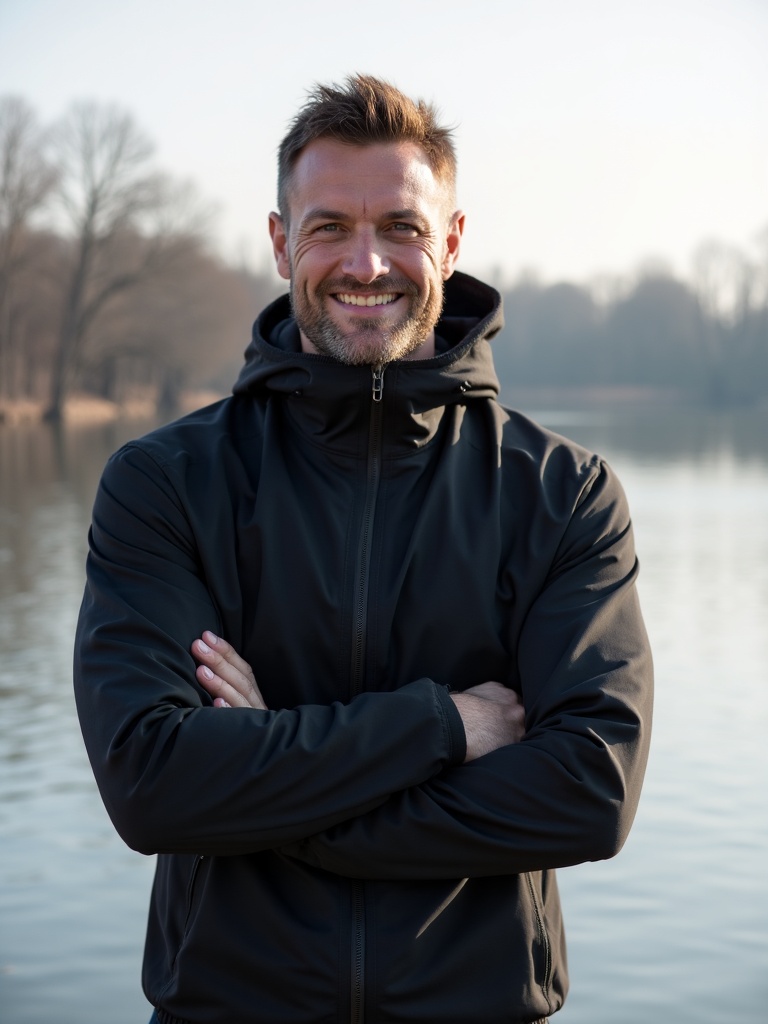
About Marcus Webb
CSCS · Strength Coach & Cold Therapy Practitioner
CSCS and performance coach. D1 swimmer, 12 years coaching athletes. I started cold plunge protocols with my athletes 4 years ago after following the research out of Scandinavia. I track the data so you don’t have to guess. Read more →