
Quick answer
How To Cold Plunge
I've been running cold plunge protocols with my athletes for four years, and the most common mistake I see is people diving in without a plan. Here's what actually works: start at 59°F (15°C) for 2 minutes, focus on controlling your breath, and build from there. Cold plunging isn't complicated, but doing it wrong means you miss the benefits or worse—you risk hypothermia. After tracking data from hundreds of sessions…
Practical takeaway
Your first cold plunge should be conservative. I don't care how tough you think you are—your body needs to adapt to the cold stress response. Here's the framework I use with every new client:
How To Cold Plunge: A Strength Coach’s Step-by-Step Protocol
I’ve been running cold plunge protocols with my athletes for four years, and the most common mistake I see is people diving in without a plan. Here’s what actually works: start at 59°F (15°C) for 2 minutes, focus on controlling your breath, and build from there.
Cold plunging isn’t complicated, but doing it wrong means you miss the benefits or worse—you risk hypothermia. After tracking data from hundreds of sessions with Division I athletes and everyday clients, I’ve dialed in a protocol that delivers results without the guesswork.
The Basic Cold Plunge Protocol
Your first cold plunge should be conservative. I don’t care how tough you think you are—your body needs to adapt to the cold stress response. Here’s the framework I use with every new client:
Step 1: Set Your Temperature
Target water temperature: 50-59°F (10-15°C) for beginners. If you’re using a cold plunge tub with chiller, this is easy to control. If you’re using ice baths, you’ll need a floating thermometer to monitor.
Below 50°F is for experienced plungers only. Above 60°F won’t trigger the full physiological response you’re after.
Step 2: Time Your Immersion
Start with 2 minutes. Not 30 seconds, not 10 minutes. Two minutes is enough to activate cold shock proteins and trigger norepinephrine release without overwhelming your system.
After 5-7 sessions at 2 minutes, increase by 1-minute increments. My athletes typically plateau at 4-6 minutes. Longer isn’t better—it’s just colder.
Step 3: Enter Slowly and Breathe
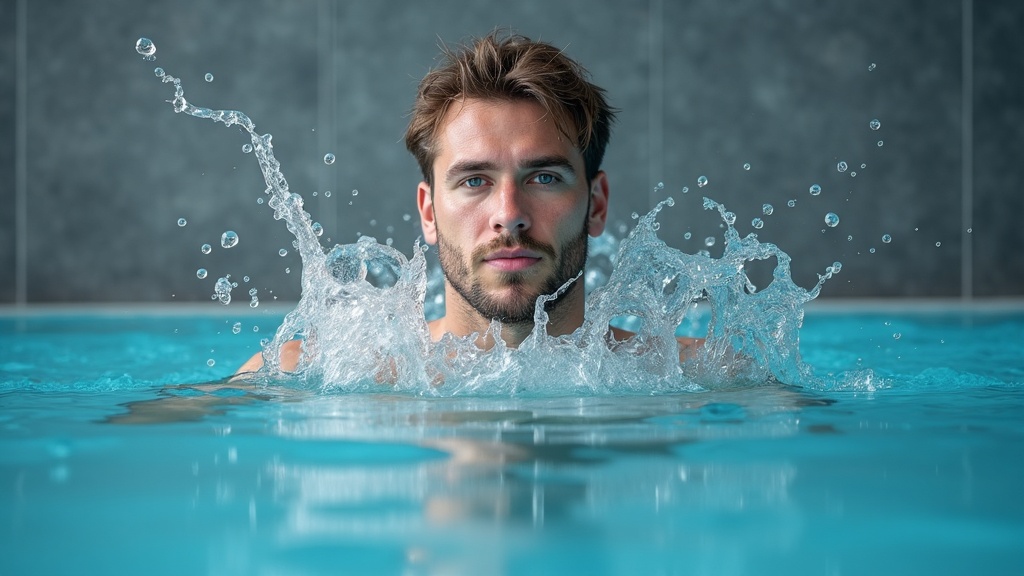
Step in gradually—don’t jump. Submerge up to your neck, keeping your hands in the water. The gasping reflex will hit in 10-15 seconds. This is normal.
Control your breathing: 4-second inhale through your nose, 6-second exhale through your mouth. This overrides the hyperventilation response and keeps your nervous system in check. I’ve seen 250-pound linebackers panic because they didn’t manage their breath.
Step 4: Exit and Warm Up Properly
When your timer goes off, step out slowly. Do not towel off aggressively—pat dry. Your core temperature is still dropping for 5-10 minutes after you exit.
Put on dry clothes and let your body rewarm naturally. Skip the hot shower for at least 30 minutes. The shivering response is part of the adaptation process—don’t short-circuit it.
Cold Plunge Temperature Guide
| Temperature Range | Experience Level | Recommended Duration |
|---|---|---|
| 59-65°F (15-18°C) | Beginner | 2-3 minutes |
| 50-59°F (10-15°C) | Intermediate | 3-5 minutes |
| 39-50°F (4-10°C) | Advanced | 3-6 minutes |
| Below 39°F (4°C) | Expert only | 2-4 minutes max |
What You Need to Get Started
You don’t need a $5,000 setup to start cold plunging. Here’s what actually matters:
Essential Equipment
- A vessel: 100-gallon stock tank, cold plunge tub, or even a chest freezer conversion
- Thermometer: Mandatory. Guessing water temperature is how people get hurt.
- Timer: Your phone works fine. I use a waterproof interval timer mounted poolside.
- Ice (if no chiller): Budget 20-30 pounds per session to maintain temp
Optional But Useful
- Neoprene booties—your feet will lose sensation fast on concrete surfaces
- Insulated cover—keeps debris out and maintains temperature between sessions
- Water pump/filter—if you’re plunging daily, filtration extends water life
Timing Your Cold Plunge for Maximum Benefit
When you plunge matters almost as much as how you plunge. Cold exposure triggers a massive norepinephrine spike—up to 250% above baseline in some studies—which affects focus, mood, and metabolism for hours afterward.
Morning Plunges (My Preference)
I plunge at 6 AM, four days per week. The norepinephrine and dopamine boost sharpens my focus for morning training sessions. If you work a desk job, morning plunges set your mental state for the day.
Post-Workout Plunges
Wait at least 4 hours after strength training. Cold immediately post-lift blunts the inflammatory response you need for muscle growth. I learned this the hard way watching my athletes’ progress stall.
For endurance training or conditioning work, cold plunge within 30-60 minutes to reduce delayed onset muscle soreness (DOMS).
Evening Plunges (Use Caution)
Some people can’t sleep after evening cold exposure due to the stimulatory effect. If you plunge at night, finish at least 3 hours before bed and monitor how you respond.
Common Cold Plunge Mistakes
I’ve seen these errors cost people results or land them in dangerous situations:
Going too cold, too fast: Your ego wants to hit 40°F on day one. Your cardiovascular system disagrees. Build tolerance over weeks, not minutes.
Staying in too long: Hypothermia starts when core temperature drops below 95°F. This happens faster than you think in 45°F water. Stick to your timer.
Forgetting to breathe: Hyperventilation is the enemy. Controlled breathing is the difference between panic and adaptation.
Hot shower immediately after: This confuses your thermoregulation system and reduces the metabolic benefits of cold exposure.
Plunging alone (when starting): Have someone nearby for your first 5-10 sessions. Cold shock can trigger cardiac events in people with underlying conditions.
How Often Should You Cold Plunge?
The research shows benefits from 11 minutes total per week, spread across 2-4 sessions. I follow a Monday-Wednesday-Friday-Sunday schedule at 3 minutes per session (12 minutes weekly).
Daily plunging works for some people, but it’s not necessary. More than 20 minutes per week shows diminishing returns and increases stress hormone load.
Safety Considerations
Cold plunging is generally safe for healthy adults, but it’s not risk-free:
- Cardiovascular conditions: Cold exposure spikes blood pressure and heart rate. Get medical clearance if you have hypertension, arrhythmias, or heart disease.
- Raynaud’s disease: Cold can trigger severe vasoconstriction. Not recommended.
- Pregnancy: Limited data exists. Most practitioners advise against it.
- Open wounds: Skip your session until they’re healed to avoid infection.
Never plunge after alcohol consumption. Alcohol impairs your body’s thermoregulation and increases hypothermia risk.
Tracking Your Progress
I track every session: water temp, duration, how I felt (1-10 scale), and any performance notes from that day’s training. After 30 sessions, patterns emerge.
Most people notice improved stress resilience within 2 weeks. Metabolic changes (cold tolerance, brown fat activation) take 4-6 weeks of consistent exposure.
Use a simple log—notebook or phone app. Record date, temperature, time, and subjective response. This data keeps you honest and shows when to progress.
Frequently Asked Questions
How cold should the water be for cold plunging?
For beginners, 50-59°F (10-15°C) is ideal. This is cold enough to trigger the physiological adaptations you want—norepinephrine release, improved circulation, metabolic boost—without being dangerously cold. Experienced plungers can go colder, down to 39-45°F, but there’s no additional benefit to going below 39°F and the risk increases significantly.
How long should I stay in a cold plunge?
Start with 2 minutes and build to 3-5 minutes over several weeks. The research suggests 11 minutes total per week (across multiple sessions) delivers measurable benefits. I’ve found 3-4 minutes per session, 3-4 times weekly, hits the sweet spot. Staying longer than 6 minutes doesn’t increase benefits and raises your hypothermia risk.
Should I cold plunge before or after a workout?
It depends on your training. Cold plunge at least 4 hours before or after strength training—cold immediately post-lift reduces the inflammatory response needed for muscle growth. For endurance or conditioning work, plunging within 30-60 minutes after helps reduce muscle soreness. My preference is morning plunges on non-lifting days or 6+ hours separated from heavy training.
What should I do if I start shivering in the cold plunge?
Light shivering during or after cold plunge is normal—it’s your body generating heat. Focus on controlling your breath (slow inhales, longer exhales) to manage the shiver response. If shivering becomes violent or uncontrollable while you’re in the water, get out immediately. Severe shivering signals your core temperature is dropping too fast. After exiting, dry off gently and dress in warm layers, letting your body rewarm naturally.
Can I use ice baths instead of a cold plunge tub?
Yes. An ice bath in a standard bathtub works fine if you can get the temperature cold enough (50-59°F). You’ll need a significant amount of ice—usually 20-40 pounds depending on your tap water temperature and tub size. Use a thermometer to verify temperature. The downside is inconsistency and ice cost over time. A stock tank or dedicated cold plunge setup gives you better temperature control.
Safety / watch-out
Control your breathing: 4-second inhale through your nose, 6-second exhale through your mouth. This overrides the hyperventilation response and keeps your nervous system in check. I've seen 250-pound linebackers panic because they didn't manage their breath.