
Quick answer
How To Cold Plunge In Bathtub
I've coached athletes through cold plunge protocols for 4 years, and the most common question I get is whether a bathtub works as well as a dedicated cold plunge. The answer: absolutely, as long as you understand the physics of water temperature and commit to the protocol. Your standard bathtub can deliver the same cold exposure benefits as a $5,000 plunge tank—if you know how to maximize ice retention, manage water…
Practical takeaway
A bathtub cold plunge requires three components: cold water (50-59°F is the target range), enough ice to maintain temperature, and a reliable thermometer. I tell my athletes to aim for 55°F—cold enough to trigger the physiological response we're after, but manageable enough for consistent practice.
I’ve coached athletes through cold plunge protocols for 4 years, and the most common question I get is whether a bathtub works as well as a dedicated cold plunge. The answer: absolutely, as long as you understand the physics of water temperature and commit to the protocol.
Your standard bathtub can deliver the same cold exposure benefits as a $5,000 plunge tank—if you know how to maximize ice retention, manage water volume, and time your sessions correctly. Here’s exactly how I set up bathtub cold plunges for my athletes who train at home.
The Basic Bathtub Cold Plunge Setup
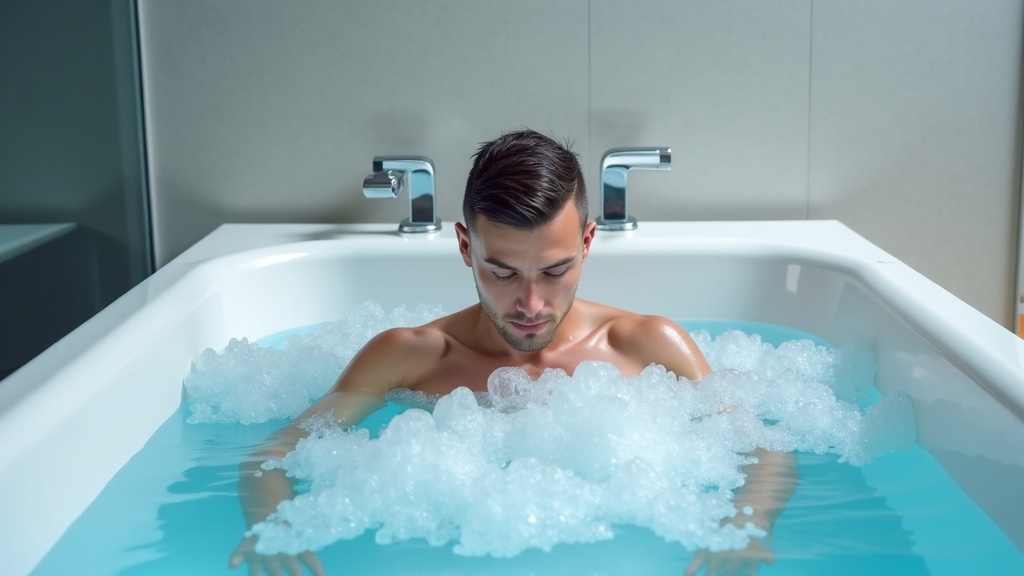
A bathtub cold plunge requires three components: cold water (50-59°F is the target range), enough ice to maintain temperature, and a reliable thermometer. I tell my athletes to aim for 55°F—cold enough to trigger the physiological response we’re after, but manageable enough for consistent practice.
Start by filling your tub with the coldest tap water available. In most homes, that’s 50-60°F in winter, 65-70°F in summer. You’ll need ice to bridge the gap. For a standard 40-60 gallon tub, plan on 20-40 pounds of ice to drop the temperature into the 50-55°F range.
Equipment You Actually Need
Skip the gimmicks. Here’s what matters:
- Floating thermometer: A floating pool thermometer gives you real-time temperature data. Non-negotiable.
- Ice: Bagged ice from the store works fine. I buy large ice cube trays for athletes who plunge daily and want to make their own.
- Timer: Your phone works, but a waterproof timer means you’re not tempted to scroll during your plunge.
- Bath mat: Wet floors and shivering don’t mix well. Safety first.
Step-By-Step Cold Plunge Protocol
This is the exact sequence I use and teach. No shortcuts.
1. Fill and Measure
Run cold tap water to fill your tub about three-quarters full. Drop your thermometer in and wait 2 minutes for an accurate reading. If you’re above 60°F, you’ll need ice. If you’re already at 55°F or below (rare, but happens in winter), you’re ready to go.
2. Add Ice Strategically
Before buying bags, estimate ice for your filled bathtub using the water volume you actually plan to use, rather than the tub’s advertised capacity. The result is an arithmetic planning estimate, not a recommendation for immersion temperature or duration; verify the water with a thermometer.
Don’t dump all your ice at once. Add 10 pounds, stir the water with your hand, wait 3 minutes, then check temperature. Repeat until you hit 50-55°F. This method prevents overshooting into the 40s, which can be uncomfortable for beginners and unnecessary for the adaptations we’re targeting.
Water temperature drops about 1°F per 2-3 pounds of ice in a 50-gallon tub, but this varies based on your starting temperature and ice quality. Track your specific ratio after a few sessions.
3. Pre-Plunge Prep
Set your timer for your target duration. If you’re new to cold exposure, start with 2 minutes. Experienced athletes can go 5-10 minutes. Strip down—cold water against bare skin is the whole point. Keep a towel within arm’s reach.
4. Entry Technique
Get in slowly. Sit down first, then submerge your torso, keeping your hands out initially if needed. Your body will gasp—that’s normal. Focus on controlled breathing: 4-count inhale through your nose, 6-count exhale through your mouth. This overrides the panic response and keeps your nervous system regulated.
Do NOT submerge your head unless you have specific training in cold water immersion safety. We’re after full-body exposure from the neck down.
5. During the Plunge
Stay still. Fidgeting creates convective heat loss and makes the cold feel worse. I have athletes focus on a fixed point in the bathroom and maintain breathing rhythm. The first 60-90 seconds are the hardest—after that, your body starts adapting.
6. Exit and Recovery
When your timer goes off, stand up slowly. Dry off immediately and get into warm, loose clothing. Skip the hot shower for at least 10 minutes—you want your body to rewarm itself naturally. This is where the metabolic benefit happens.
Bathtub vs. Dedicated Cold Plunge: The Real Differences
Athletes ask me constantly whether they should invest in a dedicated unit. Here’s the honest comparison:
| Factor | Bathtub | Dedicated Cold Plunge |
|---|---|---|
| Cost | $0 (already have it) + $5-10/week for ice | $3,000-$10,000 + electricity |
| Setup Time | 10-15 minutes (fill, ice, measure) | 0 minutes (always ready) |
| Temperature Consistency | Requires ice management; temp rises during session | Chiller maintains exact temp |
| Space Required | None (use existing bathroom) | Dedicated floor space (indoor/outdoor) |
| Effectiveness | Identical if temp is maintained 50-59°F | Identical at same temperature |
| Best For | 2-4 sessions/week, beginners, budget-conscious | Daily plungers, multiple users, serious athletes |
The physiological response—vasoconstriction, norepinephrine release, metabolic activation—depends on water temperature and immersion time, not whether you’re in a tub or a tank. If you maintain 50-55°F for your target duration, your body doesn’t know the difference.
Common Bathtub Cold Plunge Problems and Fixes
Water Temperature Won’t Drop Below 60°F
You need more ice or colder starting water. If your tap water runs warm, fill the tub the night before and let it sit—room temperature water (65-70°F) will cool overnight to 60-63°F. Then add ice in the morning.
Alternatively, freeze water in gallon jugs and drop those in. They melt slower than bagged ice and you can refreeze them between sessions.
Temperature Rises Too Fast During Session
This happens in smaller tubs or if you’re moving around too much. Stay still—every time you shift position, you mix warm water (near your skin) with cold water (in the rest of the tub). For sessions over 5 minutes, keep extra ice nearby and add a few handfuls at the 3-minute mark.
Can’t Fit Comfortably
Standard tubs are 60 inches long. If you’re over 6 feet tall, you’ll need to bend your knees or sit upright. This is actually fine—full submersion from neck to waist is what matters for the cardiovascular response. Your legs can be partially out of the water without losing benefit.
Ice Cost Adds Up
A 20-pound bag of ice costs $3-5. If you’re plunging 4x/week, that’s $12-20/week or $50-80/month. Make your own ice using those gallon jugs I mentioned, or invest in a countertop ice maker ($100-150) if you’re committed long-term. It pays for itself in 2-3 months.
Safety Considerations I Hammer Into Every Athlete
Cold water immersion is safe for most people, but there are non-negotiable rules:
- Never plunge alone if you have cardiovascular issues or are new to cold exposure. Have someone nearby, at minimum.
- Start warm: Don’t plunge if you’re already cold. You want to enter the water at normal body temperature.
- Watch for numbness: Fingers and toes should feel cold, not numb. If you lose sensation, get out.
- No alcohol before plunging: It impairs your body’s thermoregulatory response.
- Exit if you feel dizzy, chest pain, or extreme shivering: These are signs you’ve exceeded your current adaptation level.
I’ve worked with hundreds of athletes through cold plunge protocols. Injuries happen when people ignore these signals or try to prove toughness. This is a training tool, not a test of willpower.
Optimizing Your Bathtub Cold Plunge Routine
Best Time of Day
Morning plunges give you the norepinephrine boost for focus and alertness. Post-workout plunges (wait at least 4 hours after strength training) can aid recovery without blunting adaptations. I don’t recommend evening plunges—they can disrupt sleep for some people due to the alertness response.
Frequency and Progression
Start with 2x/week, 2 minutes per session, at 55-59°F. After 2 weeks, add 1 minute. After another 2 weeks, drop temperature to 50-55°F or add a third session per week. Don’t progress both variables at once—that’s how people burn out or hurt themselves.
My athletes plateau at 3-4 sessions per week, 5-8 minutes per session, at 50-55°F. More isn’t better. We’re after the minimum effective dose for the adaptations we want.
Breathing Practice
Your first 5-10 plunges will feel chaotic. That’s your sympathetic nervous system freaking out. Controlled breathing is the override switch. Before you even touch the water, practice this: 4-count nasal inhale, 6-count mouth exhale. Do 10 rounds. Then get in the tub and maintain that rhythm the entire time.
Within 3 weeks, the gasp reflex diminishes. Within 6 weeks, most athletes report feeling calm, almost meditative, during plunges. That’s when the real benefit starts—you’ve trained your nervous system to stay regulated under acute stress.
FAQ: Bathtub Cold Plunging
How cold does a bathtub cold plunge need to be?
50-59°F is the target range for cold plunge benefits. Below 50°F increases discomfort without additional benefit for most people. Above 60°F, you’re in “cool bath” territory—refreshing, but not cold enough to trigger the metabolic and nervous system responses we’re after.
How much ice do I need for a bathtub cold plunge?
For a standard 50-gallon tub with 60°F tap water, expect to use 20-30 pounds of ice to reach 50-55°F. If your tap water is warmer (summer months), you’ll need 30-40 pounds. Track your specific needs over 2-3 sessions—your tap water temperature and tub size create a consistent ratio.
Can I take a cold plunge in a bathtub every day?
Yes, but I don’t recommend it for most people. Daily plunging can be taxing on your recovery capacity, especially if you’re training hard. 3-4x per week gives you the benefits without the risk of overreaching. If you do plunge daily, keep sessions to 3-5 minutes and monitor your sleep quality and mood—those are early indicators of overdoing it.
Should I shower after a cold plunge?
Wait at least 10-15 minutes before taking a warm shower. Your body’s natural rewarming process—shivering thermogenesis—is where much of the metabolic benefit occurs. Jumping into a hot shower immediately after defeats the purpose. Dry off, dress in warm layers, and let your core temperature normalize on its own.
Is a bathtub cold plunge as effective as a dedicated cold plunge tub?
At the same water temperature, yes. The physiological response to cold water immersion depends on temperature and duration, not the vessel. Dedicated plunge tubs offer convenience (always ready, consistent temp), but a properly managed bathtub delivers identical cold exposure. The difference is setup time and ongoing ice costs, not effectiveness.
Safety / watch-out
Get in slowly. Sit down first, then submerge your torso, keeping your hands out initially if needed. Your body will gasp—that's normal. Focus on controlled breathing: 4-count inhale through your nose, 6-count exhale through your mouth. This overrides the panic response and keeps your nervous system regulated.