
I use cold work like a training tool, not a toughness ritual, and that changes how I answer this question. Cold plunging has become a recovery ritual, a mood booster, and for some people, a nightly experiment. But if your real goal is better sleep, the answer is more nuanced than the hype suggests.
Cold exposure can change the way your body feels before bed. It may reduce soreness after hard exercise, create a sense of calm once the initial shock wears off, and help some people feel physically reset. That said, current research does not show a clear, reliable sleep benefit for most people from cold plunging alone. In fact, cold water can also be stimulating, which is the opposite of what many people need at bedtime.
The best summary of the evidence right now is this: cold plunging might help sleep indirectly in certain situations, especially after strenuous evening exercise, but it is not a proven general sleep aid. If you want a bedtime routine that is more consistently supported by research, warm bathing before bed still has the stronger case.
Why people think it should work
The theory sounds reasonable at first. Good sleep is tied to body temperature regulation, and the body naturally cools down as it prepares for sleep. Because a cold plunge feels like an aggressive cooling strategy, many people assume it should make falling asleep easier.
But physiology is messier than that. A cold plunge does not simply cool you down and leave it there. It can trigger an acute stress response, increase alertness, raise heart rate, and elevate hormones linked to arousal. Some people experience that as invigorating. If you cold plunge too close to bedtime, that alerting effect may work against sleep even if your body temperature later drops.
What the research actually says
Research on cold water immersion and sleep is mixed, and much of it comes from athletic recovery studies rather than everyday sleepers. A few small studies have found potential benefits, such as fewer nighttime awakenings or more deep sleep in the early part of the night after post-exercise cold water immersion. But other studies found little to no meaningful improvement in overall sleep quality.
More recent review-level evidence suggests cold-water immersion may have time-dependent effects on sleep quality and well-being, but that is not the same as proving it meaningfully improves sleep for the average person. The studies vary widely in water temperature, immersion depth, duration, timing, and participant type. That makes broad conclusions difficult.
There is also an important context issue: if someone sleeps better after a cold plunge, the benefit may come from reduced muscle discomfort after training rather than from the cold itself acting like a sleep treatment. In other words, better recovery can sometimes lead to better sleep, but that does not mean cold plunging is universally sleep-promoting.
When cold plunging might help
There are a few situations where it could plausibly support sleep:
- If you do intense evening workouts and soreness is what keeps you awake, cold immersion may help recovery enough to make sleep more comfortable.
- If you personally find cold exposure calming after the initial shock, it may become part of a wind-down ritual that signals the end of the day.
- If you tend to overheat after late exercise, cooling strategies may feel helpful, though the benefit may come from temperature management more broadly rather than plunging specifically.
These are individualized effects, not guaranteed outcomes. The same routine that leaves one person relaxed can leave another person wired.
When it might hurt sleep
Cold plunging may be a poor fit before bed if you are sensitive to stimulation. The intense sensation can spike alertness, and some people report feeling mentally “on” afterward. That is not surprising. Cold exposure is often used precisely because it feels energizing.
You may also run into timing problems. An evening plunge right after exercise is different from a plunge taken immediately before trying to fall asleep. If your nervous system is still activated when you get into bed, sleep onset may take longer even if you feel physically refreshed.
For people with insomnia, anxiety around sleep, or a tendency to monitor their body closely at night, adding a harsh physical stimulus late in the evening may create more noise than benefit.
How to test it without sabotaging your night
If you want to experiment, treat it like a personal trial rather than a universal hack.
- Do it earlier in the evening, not right before bed.
- Keep the session brief. Longer and colder is not automatically better.
- Track what matters: time to fall asleep, number of awakenings, how rested you feel, and whether soreness was lower the next morning.
- Keep other variables steady for a week or two so you can tell what is actually changing.
- Stop if it consistently leaves you feeling amped up, shivery, or restless at bedtime.
If you already know cold showers make you feel alert in the morning, that is a strong clue that nighttime cold plunging may not be your best sleep strategy.
A better-supported alternative
If your main goal is sleep quality rather than recovery culture, warm bathing has more consistent evidence behind it. Research on warm showers and baths suggests that taking one roughly one to two hours before bedtime can support the body’s natural temperature changes and may help people fall asleep faster. That does not mean everyone needs a hot bath every night. It means the broader temperature-and-timing evidence is stronger for warmth than for cold.
That point matters because many people chase dramatic interventions when the simpler option is more effective. A warm shower, a cool bedroom, low light, and a stable bedtime are still more dependable sleep tools than a plunge tub.
Who should be cautious
Cold plunging is not risk-free. People with cardiovascular disease, uncontrolled high blood pressure, Raynaud’s phenomenon, certain nerve or circulation disorders, or a history of fainting should be especially careful. Sudden cold exposure can produce a sharp cardiovascular response. Anyone with a medical condition, or anyone taking medications that affect blood pressure or temperature regulation, should get individualized medical advice before using cold immersion regularly.
This article is for educational purposes and is not a substitute for personal medical care.
The bottom line
Cold plunging may help some people sleep better indirectly, mainly by improving post-exercise comfort or by fitting into a relaxing recovery ritual. But the overall evidence is mixed, and cold exposure can also be stimulating enough to interfere with sleep, especially when done too close to bedtime.
If you are curious, experiment carefully and pay attention to your own response. If you are looking for the more evidence-based path to better sleep, start with warm bathing, a cooler bedroom, and consistent sleep habits before betting on the plunge.
If you are building your setup around this goal, I would compare cold plunge thermometer and recovery timer before you spend money on more aggressive extras you may not need.
What I Watch in Real Life
When athletes ask me whether daily cold plunging is safe, I do not just look at whether they survived the last plunge. I look at what the habit is doing to the rest of the week. If sleep quality drops, warm-up quality gets worse, motivation tanks, or soreness starts hanging around longer, the protocol is no longer helping even if the person keeps grinding through it.
That is one reason daily cold work gets overprescribed online. People assume more exposure means more benefit. In practice, cold is just another stress input. The right amount depends on training load, body size, recovery status, water temperature, and how aggressive the rest of the plan already is.
Who Usually Handles Daily Exposure Better
The people who usually tolerate daily plunging best are healthy adults who keep sessions short, stay away from hero temperatures, and treat the protocol as flexible instead of sacred. They are also the people most willing to skip a day when the body clearly is not responding well.
The people who tend to get into trouble are the ones chasing intensity for its own sake. They stay in too long, pair cold stress with already-fatiguing training blocks, or ignore obvious warning signs because they think discomfort automatically equals adaptation.
My Practical Answer
So yes, daily cold plunging can be safe for some people, but I would only call it smart when the dose is controlled and the rest of your recovery data still looks good. If your only rule is to do it every day no matter what, that is not discipline. That is bad protocol design.
I also think people benefit from separating tolerance from usefulness. You might tolerate a daily plunge and still get no extra upside from doing it seven days a week. In that case, backing off to four or five exposures may give you the same mental and recovery benefits with less accumulated stress.
That is why I like to frame frequency as an experiment instead of a badge. If you are paying attention to body temperature, session length, training quality, and general recovery, you can usually find a repeatable dose faster than people who just copy whatever extreme routine sounds impressive online.
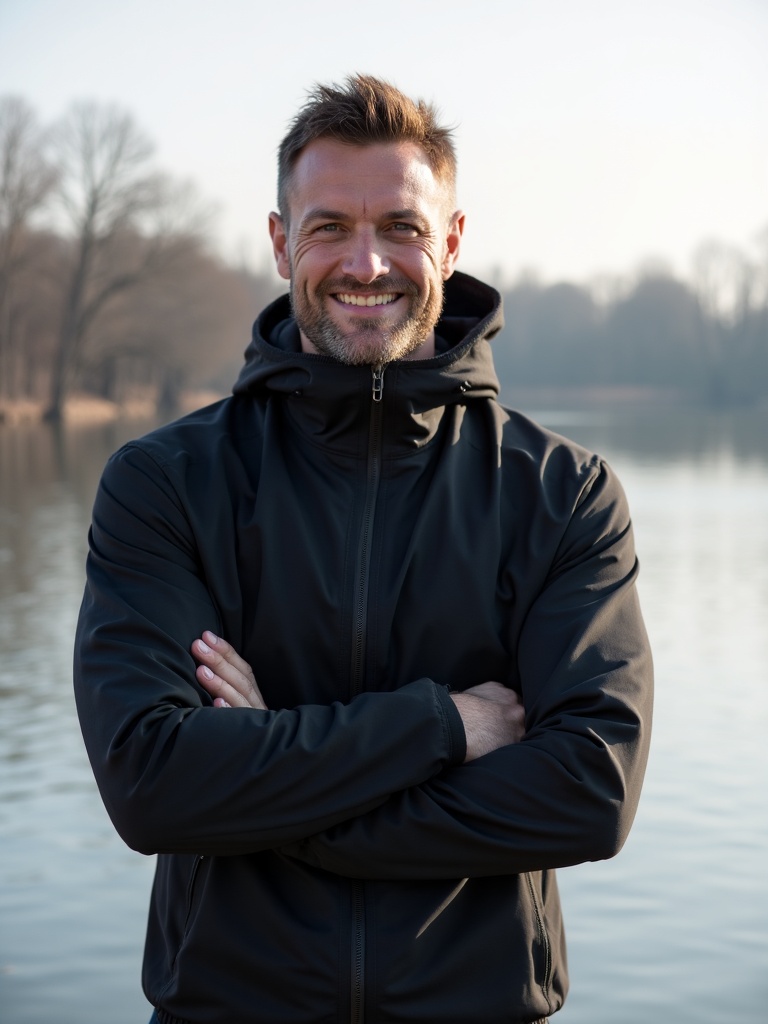
About Marcus Webb
CSCS · Strength Coach & Cold Therapy Practitioner
CSCS and performance coach. D1 swimmer, 12 years coaching athletes. I started cold plunge protocols with my athletes 4 years ago after following the research out of Scandinavia. I track the data so you don’t have to guess. Read more →