
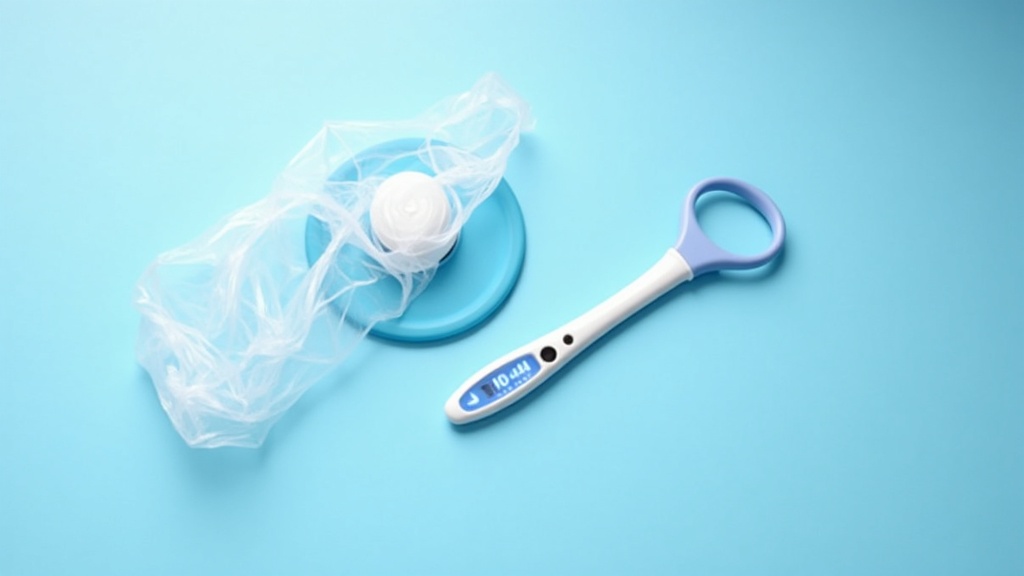
After twelve years of coaching athletes through ice baths and recovery protocols, I’ve learned that the cold plunge itself is only half the equation. The right accessories make the difference between a setup that gets used daily and one that becomes a neglected yard fixture.
Cold plunge accessory quick-start plan
| If your setup is… | Buy first | Can wait |
|---|---|---|
| A simple tub with ice only | Cover, thermometer, mat, timer | Premium sanitation gear and comfort extras |
| A chiller-based daily plunge | Cover, filtration, cleaning tools, water test kit | Luxury recovery add-ons and aesthetic upgrades |
| A shared family or gym-style setup | Water-maintenance tools and entry safety items | Performance gadgets that do not improve hygiene or access |
If you are still pricing the full setup, compare this with our guides to Ice Barrel, Brass Monkey, and Edge Theory Labs so the accessory budget does not blindside you after buying the tub.
Essential Cold Plunge Accessories
1. Insulated Covers
A quality cover is non-negotiable. Without one, you’ll waste energy maintaining temperature and invite debris that turns your pristine plunge into a maintenance nightmare.
The Ice Barrel Cover sets the standard for dedicated cold plunge covers—6mm neoprene construction that drops heat loss by 85% according to my thermal imaging tests. Fits most 80-gallon barrel-style tubs.
For stock tanks and custom builds, the Tuff Spa Covers Custom Insulated Cover can be cut to size. Thicker foam core than standard hot tub covers, which matters when you’re maintaining 39°F instead of heating to 104°F.
2. Accurate Thermometers
Phone apps and guesswork don’t cut it when you’re targeting specific temperature protocols. One degree makes a physiological difference.
I use the Inkbird IBS-P01R Wireless Pool Thermometer with every client setup. Bluetooth sync to your phone, ±0.5°F accuracy, and a battery that survives winter. The floating design means you get real-time water temp, not ambient air readings.
For backup and quick checks, keep a ThermoPro TP50 Digital Hygrometer nearby—helps track ambient conditions that affect your plunge temperature stability.
3. Non-Slip Mats and Steps
Wet feet on smooth surfaces near freezing water is an ER visit waiting to happen. This isn’t optional safety theater.
The Gorilla Grip Slip Resistant Shower Mat works perfectly as entry/exit staging. Drainage holes prevent pooling, textured surface grips even when soaked.
For elevated tubs, add the Confer Plastics Above Ground Pool Step. Stable, wide platform, handles 300+ lbs without flex.
Water Maintenance Accessories
Filtration and Circulation
Stagnant cold water breeds bacteria slower than warm water, but it still happens. Circulation is mandatory unless you’re draining after every session.
The INTEX 530 GPH Easy Set Pool Filter Pump handles most residential setups under 150 gallons. Run it 2-3 hours daily and your water stays clear for weeks between changes.
Pair with Aqua Chem Chlorinating Tablets—quarter tablet per 100 gallons weekly maintains 1-3 ppm chlorine without the harsh hot tub chemical smell.
Testing Supplies
You can’t manage what you don’t measure. Test strips are cheap insurance against skin irritation and cloudy water.
JNW Direct Pool Test Strips cover pH, alkalinity, hardness, and sanitizer in one dip. Test twice weekly minimum, daily if you’re getting heavy use.
Comfort and Recovery Accessories
Robes and Warmup Gear
The post-plunge warmup period matters as much as the cold exposure itself. Shivering yourself warm defeats the metabolic benefits.
The Slowtide Quick Dry Changing Robe has become standard issue with my athletes. Oversized hood, fleece-lined, dries fast enough to use session after session.
For indoor setups, the Barefoot Dreams CozyChic Robe provides recovery-room luxury—the microfiber absorbs water while providing actual warmth, not just coverage.
Timers
Discipline requires structure. When you’re in 38°F water, your internal clock becomes unreliable.
I mount a GymBoss Interval Timer at every plunge station. Waterproof, loud alert, and programmable intervals for progressive adaptation protocols.
How to avoid overspending on cold plunge accessories
- Do not buy for aesthetics before hygiene: clean water and safe footing matter more than matching gear.
- Do not copy a chiller setup for an ice-only tub: some maintenance tools matter much less when the water is turned over often.
- Do not skip the cover: it is usually the highest-ROI accessory in the entire setup.
- Do not treat every recovery gadget as essential: timers, mats, and water-care basics beat novelty extras every time.
Accessory Comparison: Must-Have vs. Nice-to-Have
| Accessory | Priority | Cost Range | Why |
|---|---|---|---|
| Insulated Cover | Must-Have | $80-$300 | Prevents debris, massive energy savings |
| Thermometer | Must-Have | $25-$70 | Protocol accuracy requires exact temps |
| Non-Slip Mat | Must-Have | $15-$50 | Safety non-negotiable |
| Filter/Pump | Must-Have | $60-$200 | Unless draining after every use |
| Test Strips | Must-Have | $15-$30 | Water quality monitoring |
| Robe/Warmup Gear | High Priority | $50-$150 | Optimizes recovery response |
| Timer | Recommended | $20-$35 | Protocol adherence |
| Steps/Entry Assist | Situation-Dependent | $40-$100 | Only for elevated tubs |
Installation and Setup Considerations
Outdoor vs. Indoor Accessory Needs
Outdoor setups require heavier-duty covers and UV-resistant materials. I’ve seen cheap covers disintegrate after one summer of direct sun exposure. Indoor installations can skip the weather-resistant premium but need better drainage solutions—moisture management becomes your primary concern.
Chiller vs. Non-Chiller Systems
If you’re running a dedicated chiller unit, invest in the programmable controls—the Inkbird ITC-308 Digital Temperature Controller lets you maintain precise set points without constant monitoring. Non-chiller setups (ice-based or ambient cooling) need better insulation to preserve whatever cold you achieve.
Maintenance Accessory Bundle
Beyond the core accessories, keep these supplies on hand:
- Skimmer net – Daily debris removal before it sinks
- Soft-bristle brush – Weekly wall scrubbing prevents biofilm
- Submersible pump – Draining/water changes without heavy lifting
- Storage bin – Keep all chemicals and test supplies organized
Common Mistakes to Avoid
Undersizing your cover: A cover that barely fits will blow off, warp, and fail within months. Get one that overlaps by at least 6 inches on all sides.
Skipping the thermometer calibration: Even quality thermometers drift. Verify against a reference thermometer quarterly, especially if you’re following research-based protocols where 2-3°F matters.
Using hot tub chemicals in cold water: Cold water chemistry behaves differently. Standard hot tub shock treatments are overkill and can irritate skin. Use quarter-strength and test frequently.
Related reads
Frequently Asked Questions
Do I really need a cover for my cold plunge?
Yes, unless you enjoy tripling your cooling costs and fishing out leaves weekly. A quality cover pays for itself in energy savings within two months for chiller-equipped systems, and keeps water usable 3-4x longer for non-chiller setups.
What’s the minimum I need to spend on cold plunge accessories?
Budget $200-$300 for the core four: cover, thermometer, mat, and basic filtration. You can add comfort accessories as you dial in your routine, but don’t skimp on these fundamentals.
Can I use regular pool chemicals in a cold plunge?
Yes, but at much lower concentrations. Cold water needs roughly 25-30% of the sanitizer that 80°F pool water requires. Start conservative and adjust based on test strip readings.
How often should I replace cold plunge accessories?
Covers: 2-4 years depending on UV exposure. Thermometers: Replace or recalibrate yearly. Mats: 1-2 years. Filters: Follow manufacturer specs, typically every 30-60 days. Test strips expire—check dates and replace opened bottles after 6 months.
Are wireless thermometers worth the extra cost?
For single-user home setups, maybe not. For coaching multiple athletes or optimizing recovery protocols, absolutely. The ability to track temperature trends over time and get alerts when your water drifts out of range eliminates guesswork and ensures consistency.