
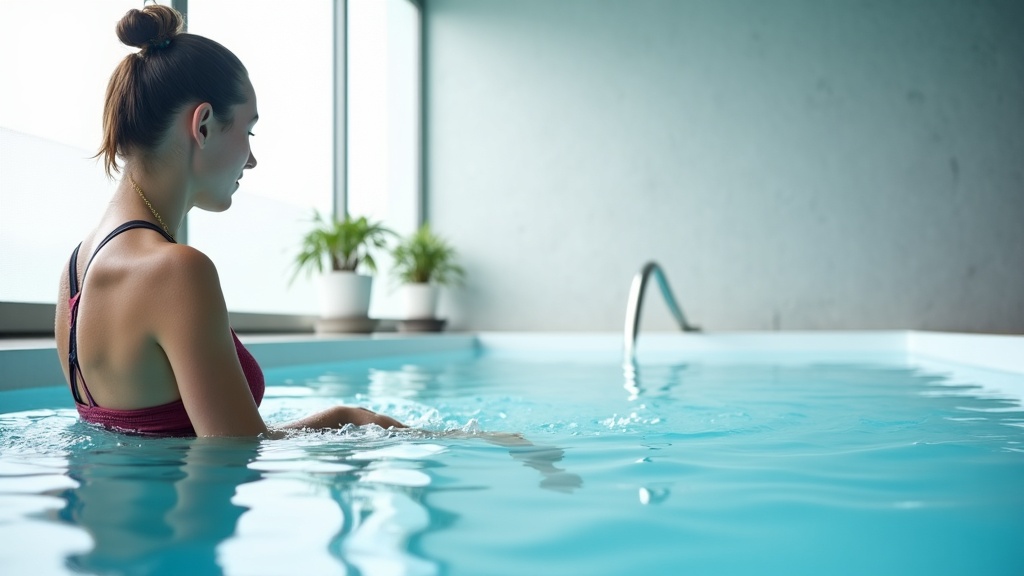
I use cold work like a training tool, not a toughness ritual, and that changes how I answer this question. Short answer: no. Cold plunges may be tolerable for some healthy adults when done carefully, but they are not universally safe, and they are a poor fit for anyone with certain heart, circulation, nerve, blood pressure, or pregnancy-related concerns.
Cold plunging has moved from elite sports recovery rooms into home wellness routines, social media challenges, and backyard tubs. The pitch is familiar: jump into very cold water, stay in for a short time, and come out feeling sharper, calmer, or more recovered. What gets lost in the hype is that cold water is not a neutral stressor. It changes breathing, heart rate, blood pressure, and body temperature within seconds.
That does not mean every cold plunge is dangerous. It does mean the real question is not whether cold plunges are trendy or whether some people enjoy them. The better question is who can do them with reasonable safety, who should avoid them, and what warning signs should never be ignored.
Why cold plunges can be risky
The biggest immediate danger is the body’s cold shock response. Sudden immersion in cold water can trigger an involuntary gasp, rapid breathing, a spike in heart rate, and a rise in blood pressure. That response is one reason accidental cold-water immersion can be deadly, and it is also why a controlled plunge can still be risky for people with underlying health issues.
The American Heart Association has warned that cold-water plunges place sudden stress on the heart. For a healthy person, that may feel intense but brief. For someone with cardiovascular disease, a heart rhythm problem, or medication that affects heart rate or blood pressure, the same stress may be much less predictable.
There is also the basic risk of getting too cold. Stay in too long, use water that is too cold, or misjudge how your body is responding, and you can move from discomfort into impaired coordination, confusion, or hypothermia. That matters because cold exposure can reduce judgment right when you most need it.
Who should not assume cold plunges are safe
Cold plunges are not something to treat as universally harmless. Current clinical guidance and expert commentary consistently suggest extra caution, or complete avoidance, for people with the following:
- Heart disease or a history of cardiac problems
- High blood pressure, especially if it is not well controlled
- Arrhythmias or other heart rhythm concerns
- Diabetes, particularly when nerve damage or circulation issues are present
- Poor circulation or venous problems
- Peripheral neuropathy or reduced ability to sense temperature accurately
- Pregnancy
- Conditions affected by cold exposure, including certain blood or vascular disorders
If you fall into one of those groups, the safest move is not to crowdsource an answer from influencers or athletes. Ask a clinician who knows your health history. A cold plunge is optional. Triggering chest pain, dizziness, fainting, or a dangerous blood pressure surge is not.
What about the promised benefits?
This is where the marketing often outruns the evidence. The strongest practical case for cold-water immersion is short-term relief of soreness or a temporary recovery effect after hard training. Some people also report feeling more alert or energized afterward.
But broader claims such as boosting immunity, dramatically improving mood long term, increasing metabolism in a meaningful way, or working as a general cure-all remain much less certain. Even when there may be a benefit, that does not automatically make the practice worth the risk for every person.
In other words, a cold plunge may be useful in narrow contexts, especially around recovery, but it is not essential for health, fitness, or longevity. If your sleep, training, stress management, and medical care are shaky, a tub of ice water is not the fix.
How to reduce risk if you still want to try it
If you are a healthy adult with no relevant medical red flags and still want to experiment, the safest approach is a conservative one.
- Do not start with extreme temperatures.
- Keep sessions short instead of testing your limits.
- Never plunge alone.
- Keep your head above water to reduce the chance of gasping underwater.
- Get in gradually rather than jumping in.
- Avoid alcohol or anything that could impair judgment.
- Warm up afterward with dry clothes and a normal indoor environment, not a frantic attempt to shock your body again.
Outdoor plunges add another layer of danger. Moving water, slippery surfaces, hidden currents, and difficulty exiting the water all raise the stakes. A cold plunge tub in a controlled setting is not the same thing as an open lake, river, or ocean dip.
Warning signs to stop immediately
Cold exposure should never become a toughness contest. End the session and seek help if you develop:
- Chest pain
- Severe shortness of breath
- Dizziness or faintness
- Confusion
- Loss of coordination
- Numbness that feels pronounced or alarming
- Shivering that becomes intense or hard to control
Those symptoms can signal that your body is not adapting safely. MedlinePlus and the CDC both note that confusion, drowsiness, slurred speech, poor coordination, and uncontrolled shivering are warning signs of hypothermia and require prompt attention.
So, are cold plunges safe for everyone?
No. That is the clearest and most responsible answer.
For some healthy adults, a carefully managed cold plunge may be a manageable wellness experiment or a recovery tool. For others, especially people with cardiovascular risk, blood pressure issues, pregnancy, impaired circulation, or reduced sensation, it may be a bad idea from the start.
The most sensible way to think about cold plunging is not as a universal health habit, but as a stressor with a narrow margin for error. If you are healthy, conservative use matters. If you have any meaningful medical question about whether your body can handle sudden cold exposure, personalized medical advice matters more.
This article is for informational purposes only and is not medical advice.
Sources
- American Heart Association: “You’re not a polar bear: The plunge into cold water comes with risks”
- Cleveland Clinic: “Health Benefits of Cold Plunges”
- MedlinePlus Medical Encyclopedia: Hypothermia
- CDC: Recognizing Hypothermia
What I Tell Readers Not to Overclaim
I think the cleanest way to talk about cold plunges is to keep the promise narrow. They may improve how you feel, how you rate soreness, and how deliberate your recovery routine becomes. That is different from claiming they transform your metabolism or fix every stress problem in the body.
That distinction matters because the ritual itself can be powerful. People sleep better, feel sharper, or become more consistent with training because the plunge anchors a healthier routine. I do not dismiss that. I just do not want readers mistaking a useful routine effect for bulletproof mechanistic proof.
What Changes My Answer in Practice
My answer gets more positive when someone is using cold exposure with a clear purpose and a controlled dose. If the goal is to manage soreness during a hard training block, create a repeatable pre-work routine, or use a short stressor that helps them reset mentally, I can see the logic. If the goal is to stack every possible wellness claim onto one habit, the science gets much shakier fast.
I also pay attention to what the plunge is replacing. If someone is using it instead of sleeping enough, eating well, or actually programming recovery days, then the ritual is getting too much credit. If it sits on top of good fundamentals, then it can still be a useful extra even when the headline claims are overblown.
My Practical Take on the Science
If you want the most honest answer, the evidence supports cautious use for recovery and maybe for perceived stress regulation, while the bigger all-purpose health claims remain underpowered. That still leaves room for cold plunges to be valuable. It just means the value is more specific than the internet usually admits.
That is why I would treat cold exposure like a tool with a job description: use it when you want a controlled stressor, when soreness management matters, or when the ritual helps you show up consistently. Do not hand it credit for benefits that still belong to sleep, training quality, and basic recovery habits.
That framing usually protects people from the two biggest mistakes: dismissing cold plunges as useless because they are overhyped, or treating them like a miracle because they feel intense. They are neither. They are a narrow tool that can be worth using when the expectations stay honest.