
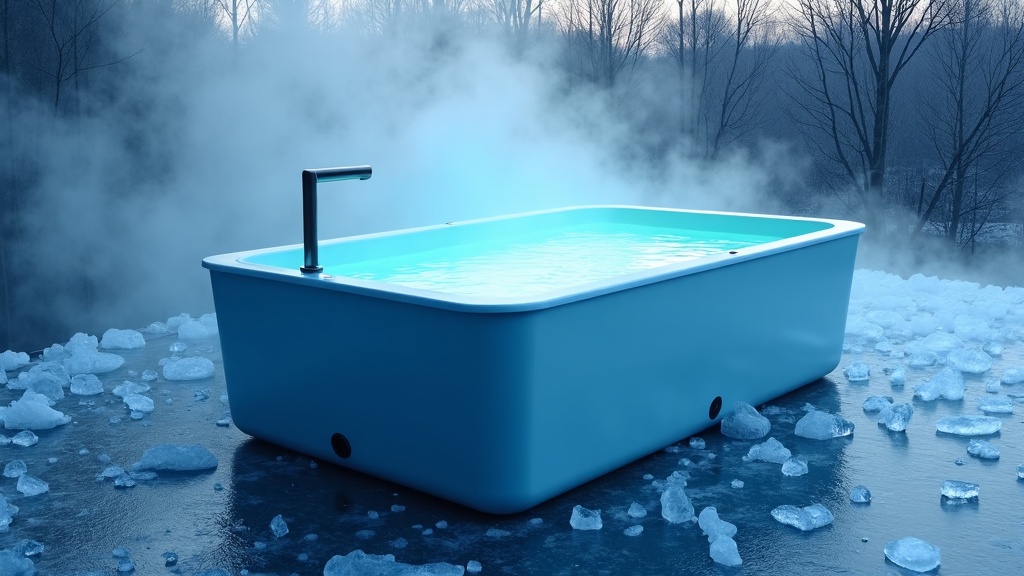
I spent eight years as a competitive rugby player, and for most of that time, cold water recovery meant standing in a shower set to ice-cold and trying not to scream. When portable cold plunge tubs started becoming accessible — genuinely good ones, not just glorified kiddie pools — it changed my recovery protocol entirely. I’ve now tested a significant range of portable cold plunge options, and I can tell you which ones are worth your money and which ones are marketing fluff. Here’s the honest breakdown for 2026.
Why Portable Matters
Permanent cold plunge installations require dedicated space, plumbing consideration, and significant financial investment. For most people — apartment dwellers, homeowners without the right yard setup, people who travel and want to maintain their protocol — portable is the only realistic option.
But “portable” covers an enormous range of products. At the cheap end, you have inflatable pools with questionable insulation that warm up in 20 minutes. At the premium end, you have well-engineered portable tubs with genuine insulation, functional drains, and ergonomic design that actually supports the cold plunge experience. The difference in practice is enormous.
What to Look for in a Portable Cold Plunge Tub
Insulation
This is the single most important factor. A well-insulated tub maintains temperature for hours with ice; a poorly insulated one becomes lukewarm before you’ve finished your second plunge of the day. Look for multi-layer construction — ideally an outer shell, insulating foam layer, and interior liner. Air pockets are poor insulators; purpose-built thermal materials are what you want.
Size and Depth
You need to submerge at least to your shoulders to get the full physiological benefit of cold water immersion. Measure the tub’s interior depth carefully. Many “cold plunge tubs” are barely 24 inches deep — adequate for sitting if you’re short, inadequate for most adults. Target at least 26–30 inches of depth for shoulder immersion.
Width matters for comfort. A tub that forces you into a cramped fetal position won’t let you relax and breathe through the cold, which is a significant part of making the practice sustainable. At least 24 inches of interior width is ideal.
Drain System
An easy-to-use drain is non-negotiable. Portable tubs that require you to tip and dump 100+ gallons of water are both impractical and back-breaking. A floor-level drain plug connected to a hose lets you empty into a yard, drain, or bucket system. Check that the drain is positioned at the actual lowest point of the tub floor.
Material Durability
PVC and vinyl tubs vary dramatically in thickness and quality. Cheaper materials crack, delaminate, or develop pinhole leaks within a season. Look for reinforced PVC with a minimum thickness of 0.6mm, or tubs using rigid foam construction with durable outer shells. Read reviews specifically for long-term durability, not just first-impression quality.
Ice Efficiency
If you’re not using a chiller unit, you’re buying ice — and ice adds up fast. A good portable cold plunge should hold target temperatures (50–55°F) for a full plunge session (10–15 minutes minimum) without requiring an absurd amount of ice. Better insulated tubs require less ice and maintain temperature longer.
Ice Pod — Best Budget Option
The Ice Pod cold plunge is the starting point for most people new to the portable plunge market. At $100–$200 depending on sales, it’s accessible. It’s a freestanding soft-sided tub with a basic insulating liner, a convenient lid to retain temperature between sessions, and enough depth for most adults to submerge to their shoulders in a tucked position.
What it does well: the price is genuinely hard to argue with, setup takes under 5 minutes, and it functions adequately in mild weather. The lid is a thoughtful addition — it reduces surface evaporation that would otherwise warm the water faster.
The limitations are real. In ambient temperatures above 75°F, ice consumption is high — plan on 40–60 pounds of ice per session to maintain sub-60°F temperatures. The material feels less robust than premium options, and there are long-term durability question marks. But for someone who wants to trial cold plunging before committing significant money, the Ice Pod is a reasonable starting point.
Best for: Beginners, budget-conscious buyers, mild climates.
Plunge All-In — Best Mid-Range Option
The Plunge All-In (from Plunge, formerly Cold Plunge) represents the leap from budget to genuinely purposeful design. At approximately $500–$700, it’s a meaningful step up — but you get meaningful improvements in return.
The tub features proper multi-layer insulation, a functional drainage system with hose attachment, a more ergonomic shape that accommodates adults up to 6’2″ without significant cramping, and notably better material quality throughout. Ice retention is dramatically better than the Ice Pod — in typical conditions, the All-In maintains temperature for a full day’s multiple sessions with a single ice fill.
One practical advantage: Plunge as a company has invested in their product ecosystem, including a chiller upgrade path that integrates with the All-In tub if you eventually want to eliminate ice dependency entirely.
This is the tub I’d recommend to most people who’ve decided cold plunging is a consistent part of their practice and want something that actually functions as intended.
Best for: Committed practitioners who want quality without premium pricing, those who plan to upgrade to a chiller later.
Renu Therapy — Premium Option
Renu Therapy makes premium portable cold plunge tubs that bridge the gap between portable and permanent installation quality. Their flagship models run $800–$1,400 and justify the price with exceptional build quality, best-in-class insulation, and design details that only become apparent after months of regular use.
The standout feature is thermal retention — Renu tubs maintain temperature significantly longer than competitors. I’ve personally had a Renu tub hold a 52°F water temperature for over six hours in a warm garage. That kind of retention means you can plunge morning and evening on a single ice fill, which adds up to real savings on ice over time.
The tubs are also the most comfortable I’ve tested — wider, deeper, with a more natural seating angle that lets you actually relax and breathe through the experience. Durability is exceptional; these are built to last years of daily use.
If you’re serious about cold water therapy as a long-term practice, Renu Therapy’s investment makes sense economically over a 2–3 year time horizon when factoring in ice savings and avoided replacement costs.
Best for: Serious practitioners, daily users, those who want the best long-term value despite higher upfront cost.
Temperature and Monitoring
Regardless of which tub you choose, a reliable water thermometer is essential. Guessing water temperature is unreliable, and for beginners especially, knowing exactly how cold you’re about to get helps manage the psychological component of the practice.
A waterproof digital thermometer runs $10–$20 and is one of the best investments in your cold practice. Look for one with a probe long enough to reach the center of the tub rather than just the surface temperature (which can differ significantly from bulk water temperature).
An insulated tub liner is worth considering for budget tubs with poor thermal retention. These add-on liners can meaningfully improve ice retention in otherwise poorly-insulated options.
Quick Comparison Table
| Tub | Price | Insulation | Depth | Drain | Durability |
|---|---|---|---|---|---|
| Ice Pod | $100–$200 | Basic | ~26″ | Plug | Moderate |
| Plunge All-In | $500–$700 | Good | ~28″ | Hose drain | Good |
| Renu Therapy | $800–$1,400 | Excellent | ~30″ | Hose drain | Excellent |
Final Recommendations
Cold plunging is one of the most evidence-supported recovery and mental health practices available. Done consistently, it’s transformative — for recovery, for stress resilience, for mental clarity. The barrier is almost never the science; it’s the logistics.
A good portable cold plunge tub removes the logistical barrier. It makes the practice accessible, sustainable, and (eventually) something you’ll look forward to rather than dread. Choose the option that matches your commitment level and budget — the Ice Pod if you’re testing the waters, the Plunge All-In if you’ve committed, the Renu if you’ve made it a cornerstone practice.
Whatever you choose, pair it with a good thermometer, quality ice management, and a consistent schedule. The tub is just the container. The practice is what actually changes you.
— Marcus is a cold therapy practitioner and former rugby player who has been incorporating cold water immersion into his recovery and performance protocols for over six years.