Quick answer
Ice Bath Workout Recovery: Does It Actually Work?
I've been putting athletes in cold water for four years, tracking their recovery metrics the whole time. Ice baths work—but not the way most people think, and definitely not for every training session. The short answer: ice baths reduce muscle soreness and perceived fatigue after high-volume or eccentric-heavy training. They do NOT speed up muscle growth, and they might actually blunt strength adaptations if you use…
Practical takeaway
I started using cold water immersion (CWI) protocols after reviewing meta-analyses from Scandinavian sports medicine programs. Here's what holds up under scrutiny:
I’ve been putting athletes in cold water for four years, tracking their recovery metrics the whole time. Ice baths work—but not the way most people think, and definitely not for every training session.
The short answer: ice baths reduce muscle soreness and perceived fatigue after high-volume or eccentric-heavy training. They do NOT speed up muscle growth, and they might actually blunt strength adaptations if you use them after every session. The research is clear on this, but the fitness industry keeps selling the “recovery cure-all” myth.
What the Research Actually Shows
I started using cold water immersion (CWI) protocols after reviewing meta-analyses from Scandinavian sports medicine programs. Here’s what holds up under scrutiny:
Cold water immersion reduces delayed onset muscle soreness (DOMS) by 20-30% compared to passive recovery. The effect is most pronounced 24-48 hours post-exercise. A 2016 systematic review of 99 studies found that CWI at 11-15°C for 11-15 minutes consistently reduced muscle soreness ratings.
However—and this is critical—those same studies show no improvement in actual performance markers like power output, sprint times, or strength metrics in the 24-96 hour window. You feel better, but you’re not necessarily performing better.
The mechanism isn’t magic. Cold constricts blood vessels, reducing inflammation and swelling in damaged muscle tissue. When you get out, vessels dilate, creating a “flushing” effect. This reduces the perception of soreness, but it also dampens the inflammatory signals that trigger muscle protein synthesis.
When Ice Baths Actually Help
I use CWI strategically with my athletes in three specific scenarios:
1. Tournament or Competition Weekends
When you need to perform multiple times in 24-48 hours, feeling recovered matters more than maximizing adaptation. Basketball tournaments, track meets, multiple games—this is when ice baths earn their keep. We use 10-12 minutes at 50-59°F (10-15°C) within 30 minutes of the first session.
2. High-Volume Eccentric Training
After heavy negatives, downhill running, or plyometric sessions with significant eccentric load, DOMS can be debilitating. If an athlete has another high-intensity session in 48 hours, I’ll use CWI to manage soreness—but I plan these sessions strategically so they’re not during hypertrophy blocks.
3. End-of-Week Accumulated Fatigue
Friday evening after a brutal training week, when the goal is recovery before the next cycle starts Monday. This is passive recovery optimization, not performance enhancement.
When to Skip the Ice Bath
If you’re trying to build muscle or strength, cold water immediately after training is counterproductive. A 2015 study published in the Journal of Physiology found that regular post-training CWI reduced muscle mass and strength gains over 12 weeks compared to active recovery.
The cold blunts the mTOR pathway activation that drives protein synthesis. You’re literally dampening the training stimulus you just worked to create.
Skip ice baths after:
- Hypertrophy-focused training sessions
- Maximal strength work (1-5 rep ranges)
- Any session where the goal is adaptation, not just recovery
- Sessions with 72+ hours until the next high-intensity bout
Use active recovery, compression, sleep, and nutrition instead. These don’t interfere with adaptation.
Practical Ice Bath Protocol
When you do use CWI, here’s what the data supports:
Temperature: 50-59°F (10-15°C). Colder isn’t better—it just makes you miserable without additional benefit. Use a floating pool thermometer to monitor accurately.
Duration: 10-15 minutes. Going longer doesn’t improve outcomes. Most commercial cold plunge tubs maintain this temperature range consistently.
Timing: Within 30-60 minutes post-exercise for soreness reduction. Waiting longer reduces effectiveness.
Immersion depth: Submerge to the waist or neck depending on which muscle groups you’re targeting. Full-body immersion isn’t necessary if you only trained lower body.
For home setups, a stock tank pool filled with cold water and ice works fine. I use about 40-60 pounds of ice to hit the target temperature range.
Recovery Method Comparison
How does CWI stack up against other recovery protocols? Here’s what I’ve tracked with my athletes:
| Recovery Method | DOMS Reduction | Performance Impact | Adaptation Interference |
|---|---|---|---|
| Ice Bath (10-15 min) | 20-30% reduction | Neutral to slight negative | Moderate (blunts hypertrophy) |
| Contrast Water Therapy | 15-20% reduction | Neutral | Low |
| Active Recovery | 10-15% reduction | Positive (blood flow) | None |
| Compression Garments | 10-20% reduction | Neutral | None |
| Massage/Foam Rolling | 15-25% reduction | Neutral to positive | None |
| Sleep (8+ hours) | 30-40% reduction | Highly positive | None (enhances adaptation) |
Sleep beats everything. If you’re sleeping 6 hours and taking ice baths, fix your sleep first.
The Contrast Therapy Alternative
I’ve shifted several athletes from straight ice baths to contrast water therapy—alternating between cold and hot water. The protocol: 3 minutes cold (50-59°F), 1 minute hot (98-104°F), repeated 3-4 times, ending on cold.
Contrast therapy provides similar DOMS reduction with less interference on adaptation. The alternating temperatures create a “pumping” effect on circulation without the sustained cold that dampens mTOR signaling.
For home setups, use a portable cold plunge tub and a hot shower. It’s less convenient than a single ice bath, but the data supports better long-term outcomes for athletes in strength or hypertrophy phases.
What About Ice Bath Timing?
Timing matters significantly. If you wait 4-6 hours after training before doing CWI, you reduce the interference with muscle protein synthesis while still getting some anti-inflammatory benefit. The acute mTOR response peaks in the first 2-3 hours post-training.
However, waiting also reduces the effectiveness for DOMS. It’s a trade-off. I typically only recommend delayed CWI for athletes who insist on regular ice baths despite being in a hypertrophy phase—it’s harm reduction.
My Current Recommendations
After tracking this with dozens of athletes across different sports and training phases, here’s my current framework:
Strength/Hypertrophy Phase: No ice baths after training. Use active recovery, sleep optimization, and nutrition timing instead. If you must use cold exposure, do it on off-days or 6+ hours post-training.
Competition Season: Strategic CWI after high-intensity sessions when you have less than 48 hours until the next bout. Skip it after low-intensity or skill work.
Deload/Recovery Weeks: CWI 2-3 times during the week can help manage accumulated fatigue and provide a psychological reset. Adaptation isn’t the goal here, so interference doesn’t matter.
Endurance Athletes: More latitude for regular CWI since the adaptation interference is less of a concern than for strength athletes. Still, I wouldn’t use it after every single session.
Frequently Asked Questions
Should I take an ice bath after every workout?
No. Regular post-workout ice baths will reduce your strength and muscle growth over time. Use them strategically—after particularly brutal sessions when you need to train again within 48 hours, or during competition periods when perceived recovery matters more than adaptation.
How cold should an ice bath be for workout recovery?
50-59°F (10-15°C) is the sweet spot. This temperature range provides the anti-inflammatory and DOMS-reducing benefits without being unnecessarily miserable. Colder temperatures don’t provide additional benefit and increase the risk of cold shock if you’re not acclimated.
Can I build muscle while using ice baths regularly?
You’ll build less muscle than you would without them. Post-training ice baths blunt the mTOR pathway that drives protein synthesis. If muscle growth is your goal, skip the ice bath immediately after training. Use it sparingly—only when managing extreme soreness that would interfere with your next session.
What’s better for recovery: ice bath or hot tub?
For DOMS reduction, ice baths have a slight edge. For relaxation and blood flow without adaptation interference, heat is better. The best option is contrast therapy—alternating between cold and hot water. This provides good DOMS reduction with less downside on muscle growth.
How long should I stay in an ice bath after a hard workout?
10-15 minutes is optimal. Research shows diminishing returns beyond 15 minutes, and you increase the risk of excessive core temperature drop. Most athletes get the full benefit at 12 minutes. Don’t be a hero—longer isn’t better.
Safety / watch-out
I've shifted several athletes from straight ice baths to contrast water therapy—alternating between cold and hot water. The protocol: 3 minutes cold (50-59°F), 1 minute hot (98-104°F), repeated 3-4 times, ending on cold.
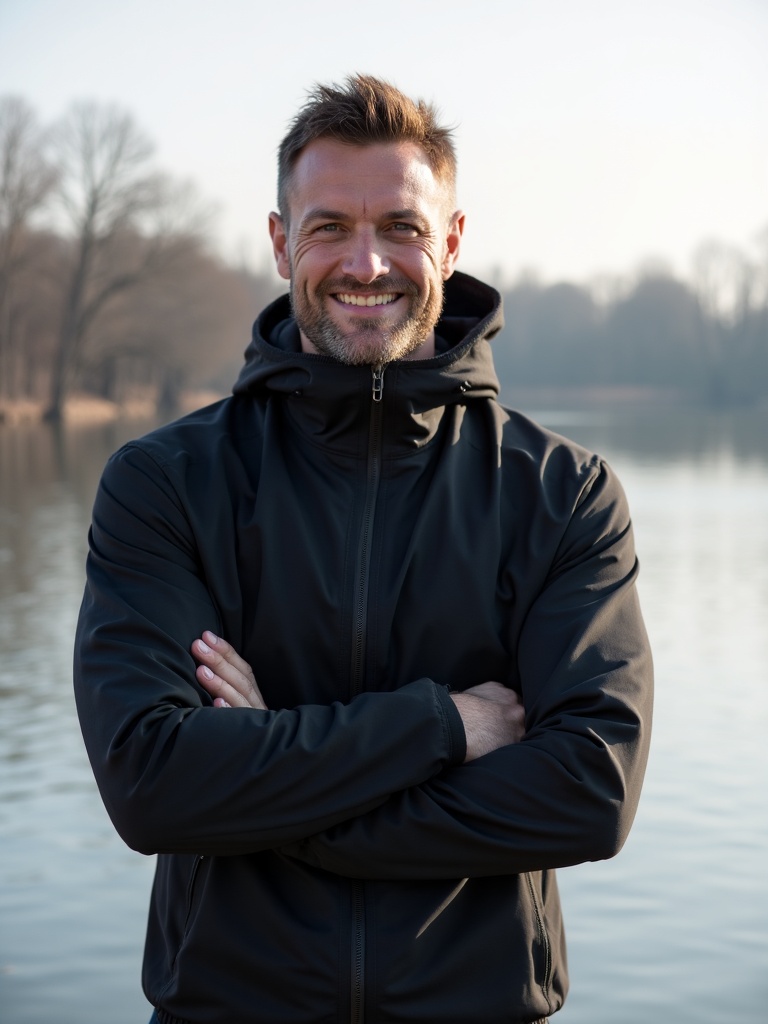
About Marcus Webb
CSCS · Strength Coach & Cold Therapy Practitioner
CSCS and performance coach. D1 swimmer, 12 years coaching athletes. I started cold plunge protocols with my athletes 4 years ago after following the research out of Scandinavia. I track the data so you don’t have to guess. Read more →