
Last month, one of my D1 swimmers asked me why his recovery felt off after cold plunges. One look at his DIY chest freezer setup and I had my answer — the water looked like pond scum. Cloudy, slightly off smell, visible film on the surface. He’d been soaking in that same water for three weeks.
That’s the wake-up call most athletes need: cold water doesn’t mean clean water. And if you’re serious about cold therapy, you need to be just as serious about water maintenance.
After 12 years coaching athletes through recovery protocols and running my own cold plunge routine, I’ve seen every water maintenance mistake in the book. Here’s exactly how to keep your cold plunge clean, safe, and actually beneficial — not a bacterial science experiment.
Why Cold Plunge Water Gets Dirty (Faster Than You Think)
There’s a common misconception that cold water stays clean longer because bacteria can’t grow in it. That’s partially true — cold temperatures slow microbial growth, but they don’t stop it.
Every time you get in your cold plunge, you’re introducing:
- Bacteria from your skin — we all carry millions of microbes
- Body oils and sweat — even if you showered recently
- Dead skin cells — constant shedding, no avoiding it
- Environmental contaminants — dirt, pollen, whatever’s on your body
In a typical cold plunge at 50°F (10°C), bacterial growth is about 50% slower than at room temperature. But slower doesn’t mean stopped. Without proper sanitization, you’ll still get biofilm buildup, cloudy water, and eventually a tub that smells like a locker room.
The water volume matters too. A 100-gallon chest freezer has less buffer capacity than a 400-gallon dedicated chiller. Smaller volume = faster contamination.
How Often Should You Change Your Water?
This depends entirely on your setup:
DIY Tubs (Chest Freezers, Stock Tanks)
Without filtration or active sanitization:
- Solo use, daily plunges: Change water every 3-4 days
- Multiple users or 2x daily use: Every 2-3 days
- With basic sanitization (see below): Weekly changes possible
Dedicated Chillers (Ice Barrel, Plunge, Polar Recovery)
With built-in filtration and ozone/UV systems:
- Proper maintenance routine: Change every 2-4 weeks
- Heavy use (multiple daily users): Weekly to bi-weekly
- Light use (2-3x per week, solo): Monthly changes acceptable
I run a Polar Recovery Pod at my facility. With proper chemical balance and the built-in ozone system, I change water every 3 weeks with 8-12 athlete uses per day. Your mileage will vary based on actual load.
Sanitization Options: What Actually Works
Here’s where people get overwhelmed. The pool supply store has 47 different chemical options, half of which you don’t need. Let me break down what actually matters for cold plunge maintenance.
Chlorine/Bromine (Spa Tabs)
The standard approach. Chlorine and bromine are proven sanitizers that kill bacteria, prevent algae, and oxidize organic matter.
Protocol:
- Use small spa chlorine or bromine tablets in a floating dispenser
- Target: 1-3 ppm free chlorine (cold water requires less than hot tubs)
- Test 2-3x per week with test strips
- Adjust based on use frequency
Pros: Cheap, effective, well-understood chemistry
Cons: Chlorine smell, can irritate skin/eyes for sensitive users, requires regular monitoring
For basic sanitization supplies, check out spa chlorine tablets and pool test strips.
Hydrogen Peroxide Alternative
My preferred method for athletes. Food-grade hydrogen peroxide (H2O2) provides sanitization without the harsh chemical smell or skin irritation.
Protocol:
- Use 35% food-grade hydrogen peroxide (NOT 3% drugstore stuff)
- Dose: 1 cup per 100 gallons weekly, or 1/4 cup after heavy use days
- Breaks down into water and oxygen — no chemical residue
- Combine with occasional shock treatment (double dose) monthly
Pros: Clean chemistry, no chlorine smell, gentle on skin, athletes prefer it
Cons: More expensive than chlorine, requires careful handling (35% is strong), shorter residual effect
I switched to H2O2 three years ago and won’t go back. Athletes with sensitive skin report zero irritation, and the water feels noticeably “cleaner” — less chemical taste if you accidentally swallow some.
Find food-grade hydrogen peroxide online (usually sold in 1-gallon containers).
UV/Ozone Systems (Passive Maintenance)
Most quality chiller units include UV or ozone sanitization built into the filtration system. These work passively as water circulates.
How they work:
- UV-C light: Kills bacteria and viruses as water passes through UV chamber
- Ozone (O3): Oxidizes contaminants, breaks down organic matter
The reality: These systems reduce bacterial load but don’t eliminate the need for chemical sanitization or water changes. They extend time between changes and reduce chemical requirements.
If you’re DIY-ing a setup, UV water sanitizers can be added in-line with a pump system for $100-300.
Mineral Sanitizers (Nature2, Frog)
Mineral cartridges release silver and copper ions that inhibit bacterial growth. They’re a complement to your main sanitization method, not a replacement.
Protocol:
- Drop mineral cartridge in tub, replace every 4-6 months
- Still use chlorine or H2O2, but at reduced levels (about 50% less)
- Helps prevent biofilm formation on surfaces
Pros: Set-it-and-forget-it, reduces chemical needs, no daily dosing
Cons: Not sufficient alone, adds ongoing cost
I use a Nature2 cartridge in combination with H2O2. It’s belt-and-suspenders, but with the volume of athletes I run through the pod, I want redundancy.
My Step-by-Step Cleaning Routine
Here’s exactly what I do to maintain the facility cold plunge (and what I recommend for athletes with home setups):
Weekly Maintenance (15 minutes)
- Test water chemistry — pH and sanitizer levels
- Adjust as needed — add H2O2 or adjust pH with baking soda (raise) or white vinegar (lower)
- Wipe down waterline — use microfiber cloth to remove any visible buildup
- Check filter (if applicable) — rinse if dirty, replace per manufacturer schedule
Full Clean & Water Change (Every 3 weeks for me, adjust based on your use)
- Drain completely — use pump or drain plug
- Scrub all surfaces — use non-abrasive scrub pad with water and white vinegar (3:1 ratio)
- Pay attention to corners and seams — where biofilm loves to hide
- Rinse thoroughly — residue from cleaning can affect water chemistry
- Refill with fresh water
- Let chiller run 12-24 hours before first use (allows temperature to stabilize)
- Add sanitizer — initial dose per your chosen method
- Test and adjust — verify chemistry is balanced before use
For scrubbing supplies, a simple non-scratch scrub pad works perfectly.
Water Testing: What Numbers Actually Matter
You don’t need a chemistry degree, but you do need to test your water regularly. Here’s what to track:
pH Level: 7.2 – 7.6
This is your most important number. Too high and sanitizers don’t work effectively. Too low and water becomes corrosive (and uncomfortable on skin).
How to adjust:
- Too high (alkaline): Add small amounts of white vinegar, test after 30 minutes
- Too low (acidic): Add baking soda (1 tablespoon per 100 gallons), test after 30 minutes
Free Chlorine: 1-3 ppm (if using chlorine)
Cold water requires less chlorine than hot tubs. If you’re consistently above 3 ppm, you’re overdosing — which wastes money and irritates skin.
Total Alkalinity: 80-120 ppm
Acts as a pH buffer. If your pH is constantly swinging, alkalinity is likely the culprit.
Test Strip vs. Digital Tester
I use test strips for weekly checks — they’re fast, cheap, and accurate enough for maintenance. 7-way test strips give you pH, chlorine, alkalinity, and more for pennies per test.
For initial setup or troubleshooting, a digital water tester is more precise but costs $30-100.
Red Flags: Change Your Water NOW
Don’t wait for your scheduled change if you notice:
- Cloudiness — water isn’t crystal clear, looks hazy or milky
- Smell — anything other than a faint chlorine or clean water smell (musty, sour, or strong chemical odor = problem)
- Sliminess — surfaces feel slippery or slimy to touch (biofilm formation)
- Foaming — excessive bubbles when you get in (indicates high organic load)
- Eye or skin irritation — burning eyes or rash after plunging
- Can’t balance chemistry — adding sanitizer but levels won’t stabilize
Any of these signs means your water is past its useful life. Drain it, clean thoroughly, and start fresh. Don’t try to “rescue” contaminated water with shock treatments — it’s not worth the risk.
Tips for Extending Water Life
Small habits that make a big difference:
Shower Before Plunging
A quick 30-second rinse removes most body oils, sweat, and surface bacteria. This single habit can double the time between water changes.
At the facility, I have a required rinse station before the cold plunge. Athletes grumbled at first, now it’s just routine. And the water stays cleaner, longer.
Cover When Not in Use
A simple cover prevents:
- Debris (leaves, dust, insects)
- UV exposure (which degrades sanitizers and promotes algae growth)
- Evaporation (reduces need for frequent top-offs)
I use a basic insulated spa cover. Bonus: it helps maintain temperature, reducing chiller runtime and energy costs.
Keep Out of Direct Sunlight
If your setup is outdoors, position it in shade or use a cover. Sunlight accelerates algae growth and breaks down chlorine/H2O2 faster.
Run Your Filter
If you have a chiller with filtration, run it continuously or at minimum 8-12 hours daily. Moving water = less opportunity for bacterial colonization.
Don’t Share Towels
Seems obvious, but communal towels or reusing the same towel to dry off before plunging reintroduces bacteria you just rinsed off.
Frequently Asked Questions
Can I use salt water instead of chemicals?
Saltwater chlorinators (common in pools) generate chlorine from salt. They work, but require specific equipment and still produce chlorine — it’s just generated on-site instead of added manually. For small-volume cold plunges, it’s usually overkill and not cost-effective.
How cold should the water be for plunging?
Ideal range is 45-55°F (7-13°C) for most people. Beginners start at 55-60°F. Water maintenance is the same regardless of temperature — colder just slows bacterial growth slightly.
Is tap water safe to use, or should I filter it first?
Tap water is fine for most setups. If you’re on well water with high iron or sulfur, consider a pre-filter to prevent staining and odor. City water already has residual chlorine, which actually helps with initial sanitization.
Can I use pool shock for cold plunges?
Yes, but use it sparingly. Pool shock (calcium hypochlorite or non-chlorine shock) is a concentrated oxidizer. I use non-chlorine shock monthly as a deep clean — 1/4 the pool dose per manufacturer instructions. Let it circulate 12 hours before plunging.
What if I can’t afford a dedicated chiller — is DIY sanitation enough?
Absolutely. My first setup was a $200 chest freezer from Craigslist with basic H2O2 sanitization. Changed water twice weekly, tested regularly, and it worked perfectly for solo daily use. Dedicated chillers add convenience and longer water life, but they’re not mandatory for safe, effective cold plunging.
The Bottom Line
Clean water isn’t optional — it’s fundamental to safe cold therapy. You’re doing cold plunges for recovery and health benefits. Soaking in contaminated water undermines all of that.
The maintenance routine I’ve outlined takes maybe 15 minutes a week, plus a couple hours every few weeks for a full change. That’s a small price for knowing your cold plunge is actually helping your recovery, not introducing new problems.
Start with basic water testing and sanitization. Find a method that fits your setup and stick with it. The athletes I work with who maintain their plunges properly report better subjective recovery, fewer skin issues, and honestly just enjoy the ritual more when they know the water is pristine.
Get your water maintenance dialed in, and the cold plunge becomes a tool you can rely on — not a science experiment you’re afraid to get into.
Affiliate Disclosure: This article contains Amazon affiliate links. If you purchase through these links, we may earn a small commission at no additional cost to you. We only recommend products we’ve used or thoroughly researched.
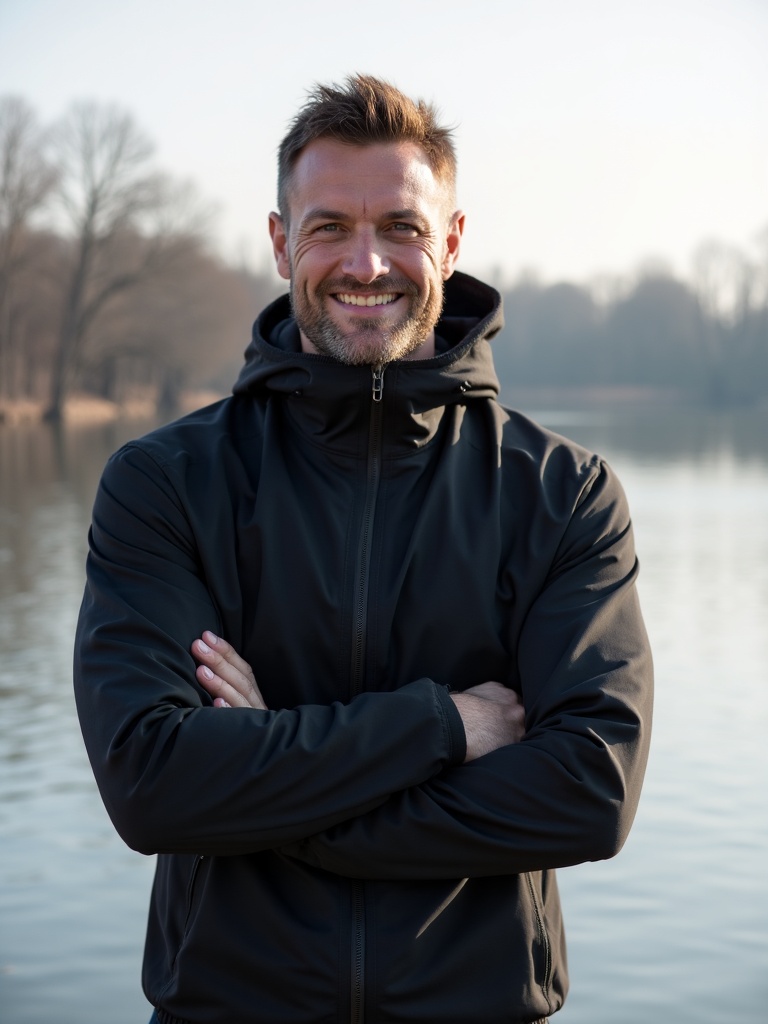
About Marcus Webb
CSCS, Strength Coach & Cold Therapy Practitioner
Marcus Webb is a certified strength and conditioning specialist and former D1 swimmer who’s been coaching athletes for 12 years. Cold therapy became part of his recovery protocol after seeing the results firsthand — reduced soreness, faster turnaround, sharper focus. At Ice Basin, he cuts through the hype with science and real-world application. Read more →